
Multi-chain Assets
Networks maintain separate transaction environments, fee mechanics and confirmation states. Check the network, address and asset before moving value.
Understand multi-chain networks →Move from multi-chain assets and network selection to sending, receiving, DApp connections, approvals, network fundamentals and wallet security with checks that are easy to understand before you act.
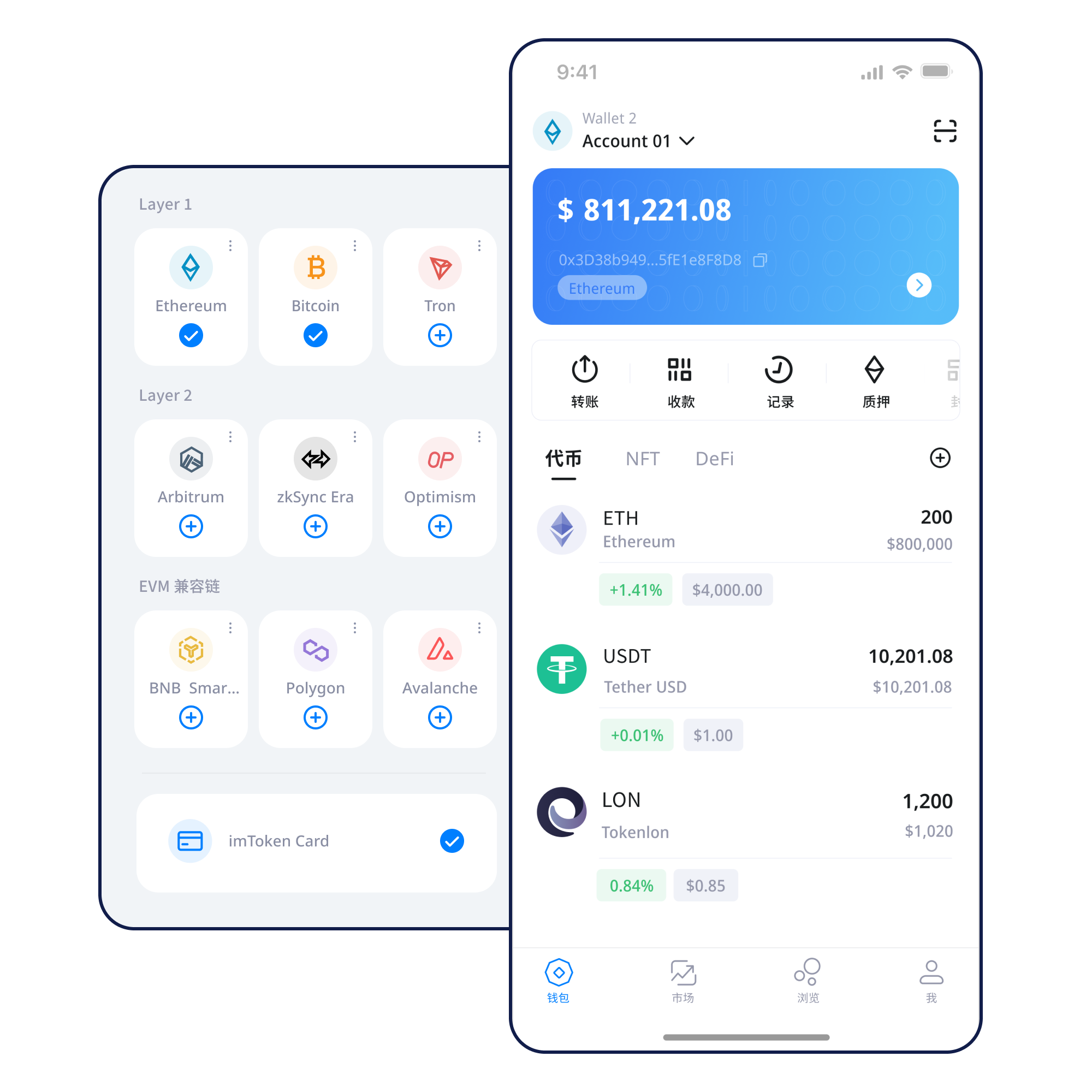
Networks maintain separate transaction environments, fee mechanics and confirmation states. Check the network, address and asset before moving value.
Understand multi-chain networks →Check the receiving address and network, then verify amount, gas, transaction hash and confirmation status.
View transfer workflow →Review assets, switch networks, inspect history and connect to DApps on mobile.
Review account access, approval scope and connection state in browser-based workflows.
Learn about Web access →
Your seed phrase and private key remain under your control. imtoken personnel will never ask for them.
Even when EVM networks use similar address formats, assets, gas and transaction states remain network-specific. Sender and receiver should use the same supported network.
Transactions propagate through the network and enter blocks. Explorers help verify hashes, block heights and confirmation status.
EVM networks can share address formats while using different chain IDs, gas assets and contract deployments.
Layer 2 systems extend mainnet in different ways. Cross-layer transfers may involve bridges, waiting periods and multiple confirmation stages.
Gas reflects the cost of on-chain execution and storage. Network demand can affect fees and confirmation speed.
Use the site download entry and verify the domain first.
Understand addresses, seed phrases and private keys before acting.
Keep the seed phrase offline and never reveal the private key.
Verify network, address format and asset type.
Check address, network, amount and gas before confirming.
Inspect DApp requests and revoke permissions you no longer need.
Connecting a wallet does not make every later request safe. Check the domain, account request, contract and permission scope before proceeding.
Open the Web3 guide →Your seed phrase and private key are yours to protect. Be cautious when anyone claims they need them to verify an account, unlock assets or provide recovery help. Confirm the address, network and amount before sending; verify a DApp domain before connecting; inspect the request, contract and scope before signing or approving. Public devices, open networks, remote-control tools and cloud screenshots can widen exposure. On-chain transactions generally cannot be reversed by a wallet provider alone, so checks matter before the action is submitted.
Open the security center →An address receives assets; a seed phrase and private key represent control; the network determines where a transaction occurs; gas pays for execution; a transaction hash helps verify status; and DApps may request connections, signatures or approvals. Understanding these concepts makes it easier to recognize what you are authorizing.
Start learning →Validators participate in PoS consensus. Reward sources, network status, exits and withdrawals can change with protocol conditions.
Learn about Ethereum staking →No. imtoken will never ask for your seed phrase, private key or verification code.
Assets and transactions exist on specific networks. Sender and receiver need a compatible route.
Gas is part of the network cost for executing a transaction or smart-contract action.
It can be used in the relevant block explorer to check status, block and confirmations.
Connection alone is not proof of safety. Review every signature and approval request separately.
Many EVM approvals can be revoked through compatible tools, usually requiring network fees.
No. Layer 2 is related to mainnet but may use different fees and cross-layer workflows.
No. Rewards, exits, penalties and market conditions can change.
Verify the domain before downloading, protect your seed phrase and private key, and keep checking networks, addresses, signatures and approvals.